Comprehensive WordPress SEO audit service for Better Visibility
Maximize Your Website's Performance: The Definitive Guide to WordPress SEO Audit Services
The manual known as "Unlock Your Website's Potential: The Ultimate WordPress SEO Audit Service" acts as a valuable reference for individuals aiming to enhance their website's online presence. It delivers a structured framework to conducting a detailed SEO assessment, covering essential components like technical evaluations and content effectiveness. Recognizing these factors can result in significant gains in online exposure and user interaction. However, others might neglect important factors that could obstruct their progress. What exactly are those overlooked details?
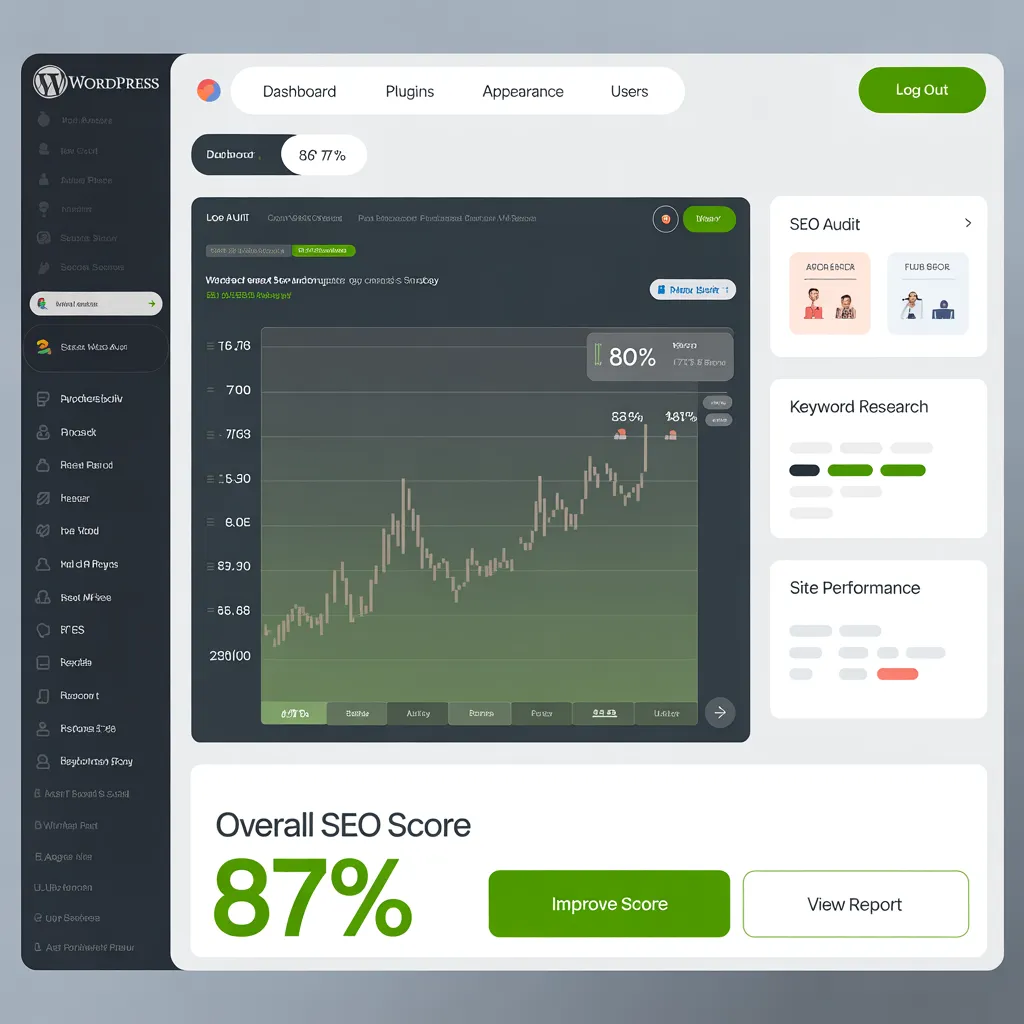
How to Conduct an Effective SEO Audit
To carry out a comprehensive SEO audit, one should methodically examine various elements that influence a website's performance in search engines. This undertaking commences with examining the site's technical infrastructure, guaranteeing that it is accessible to both search engines and visitors. Elements including site speed, mobile responsiveness, and SSL security play critical roles in overall effectiveness.
Furthermore, content standards must be carefully evaluated, focusing on relevance, keyword optimization, and originality. Reviewing user interaction metrics offers valuable information about how effectively the content engages its audience.
Additionally, examining domain authority and backlinks is vital for gauging a website's competitive standing and credibility. Optimizing meta tags and identifying broken links significantly boost the website's discoverability.
Ultimately, utilizing analytics tools to track and monitor performance supports sustained progress. A thorough audit not only reveals weaknesses but also highlights opportunities for growth, effectively boosting a website's presence and performance in search engine results.
Key Components of Your SEO Audit Checklist
When evaluating a website's SEO performance, two key factors stand out: on-page SEO factors and a technical SEO framework. These elements play a pivotal role in improving visibility and the overall user experience. A thorough understanding of each aspect is essential for a detailed audit.
On-Page SEO Optimization Factors
Key on-page optimization elements play a vital role in enhancing a website's search engine visibility and user experience. Important aspects involve the deliberate incorporation of keywords in titles, headers, and content to maintain relevance and boost rankings. Meta descriptions should be compelling and accurately reflect page content, encouraging click-throughs. Furthermore, the value of high-quality, unique content cannot be emphasized enough, as it captivates users and lowers bounce rates. Image optimization, encompassing alt text and file sizes, leads to improved loading speeds and accessibility. Internal linking enhances navigation and establishes content hierarchy, while mobile responsiveness guarantees a seamless experience across devices. Combined, these components build a robust framework for effective SEO, increasing organic traffic and optimizing overall site performance.
Technical Search Engine Optimization Checklist
A detailed technical SEO checklist is critical for identifying and resolving problems that could impede a web presence in search engine results. Essential factors encompass evaluating site speed, ensuring mobile-friendliness, and verifying HTTPS security. Furthermore, proper URL structures and refined XML sitemaps facilitate better indexing by search engines. Website owners should identify broken links and establish redirects where appropriate to enhance user experience. Making sure robots.txt files are properly set up avoids inadvertently restricting important content. Additionally, structured data markup enhances search visibility by providing context to search engines. Performing routine technical SEO audits allows site owners to sustain optimal performance and remain competitive in digital marketplaces.
How to Improve Your Content for Search Visibility
Enhancing content for search engine visibility demands a well-planned strategy that harmonizes informative writing with keyword incorporation. To achieve this, content developers should perform comprehensive keyword research, identifying terms and phrases that resonate with their target audience. Integrating these keywords organically into headings, subheadings, and body text boosts relevance without sacrificing readability.
Furthermore, producing compelling, high-value content is vital. Key aspects include employing a clear and organized structure, including various multimedia elements, and fulfilling user intent. Developing effective meta descriptions and title tags that incorporate primary keywords can help increase organic click-through rates.
Regularly updating content is also vital; new content communicates to search engines that the webpage continues to be relevant. Additionally, ensuring content is shareable on social media platforms can amplify reach and visibility. By implementing these approaches, site owners can significantly improve their content's search presence, attracting organic traffic and boosting overall website performance.
Essential Tools for Your WordPress SEO Audit
Performing a comprehensive SEO audit for a WordPress site necessitates the proper tools to discover areas for enhancement and improve search performance. Critical tools encompass Google Analytics, which monitors user behavior and traffic sources, assisting in identifying high-performing content. Additionally, Google Search Console proves indispensable for tracking site health and gaining insight into how search engines index the site.
SEO plugins like Yoast SEO and All in One SEO Pack offer real-time optimization recommendations, guaranteeing content meets best practices. To perform technical audits, platforms including Screaming Frog SEO Spider can analyze site architecture and identify broken links or missing metadata. Furthermore, SEMrush and Ahrefs deliver thorough keyword research and competitor intelligence, vital for enhancing SEO approaches. By utilizing these tools, website owners can gain actionable insights, ultimately improving their site's visibility and performance in search engine results.
SEO Audit: Key Mistakes to Steer Clear Of
When carrying out an SEO audit, many website owners overlook typical errors that may compromise their progress. One important mistake is overlooking the need to check the site's mobile optimization. With growing mobile traffic, a site that lacks mobile optimization can see a decline in search rankings. Additionally, overlooking the importance of checking page loading speed can result in a subpar user experience and elevated bounce rates.
Another common oversight is disregarding the critical role of URL structure. Clear, meaningful URLs promote stronger indexing and improve user comprehension. In addition, numerous audits overlook the review of on-site SEO components, such as title elements and meta tags, which are fundamental for search engine performance.
Lastly, website owners tend to concentrate exclusively on technical components while neglecting content standards. Relevant, high-quality content is crucial for capturing visitor interest and improving search rankings. Avoiding these pitfalls can greatly enhance the impact of an SEO audit, resulting in more favorable optimization achievements.
How to Determine If Your Audit Was Effective: Essential Metrics to Track?
Upon finishing an SEO evaluation, it is crucial to assess its effectiveness through important metrics. Growth in organic traffic, enhancements in keyword positions, and an analysis of bounce rates offer meaningful data about the success of the changes that were made. Monitoring these metrics can help determine the overall impact of the audit on site performance.
Natural Traffic Expansion
Measuring the performance of an SEO audit depends on a few key metrics that signal organic traffic growth. A key indicator is the cumulative volume of organic visitors to the website, which can be analyzed using tools like Google Analytics. Moreover, monitoring the bounce rate gives an understanding of user engagement; a falling bounce rate often indicates improved content relevance. Session page view counts can also show how effectively users explore the site. Furthermore, tracking the average session duration helps assess whether visitors find the content valuable. Lastly, analyzing referral sources can pinpoint which channels drive organic traffic. Collectively, these metrics offer an comprehensive view of how well an SEO audit contributes to organic traffic growth.
Keyword Ranking Enhancement
Measuring keyword ranking advancement acts as a vital signal of an SEO audit's performance. By monitoring specific metrics, webmasters can evaluate the influence of their optimization efforts. Critical benchmarks include changes in rankings for targeted keywords, the quantity of search terms ranking on the top page, and variations in search engine presence. Moreover, reviewing the mean ranking of keywords across time provides insight into whether strategies are yielding positive results. Employing resources like Google Search Console and SEO monitoring software can streamline this process, providing comprehensive insights. At the core, steady advancements in keyword positions indicate that the SEO audit has positively boosted the site's standing and influence, paving the way for ongoing natural search traffic expansion.
Bounce Rate Analysis
Evaluating bounce rate data yields valuable insights into the effectiveness of an SEO evaluation. A elevated bounce rate frequently suggests that visitors are not engaging with the website, suggesting possible problems related to site usability or content alignment. In contrast, a dropping bounce rate after an SEO evaluation can demonstrate enhancements to content quality, site navigation, and keyword alignment.
Key metrics to monitor encompass the average time spent on the site and the quantity of pages visited per session. These figures help gauge user engagement and satisfaction. Additionally, segmenting bounce rate data by traffic source can identify which channels yield the greatest results. Analyzing these metrics delivers a more precise understanding of the effectiveness of the audit and sections needing additional improvement.
Put Your SEO Audit Findings Into Action
Addressing the findings of an SEO audit is vital to enhancing the performance of a website. After the audit has been completed, organizing the identified problems is essential. Website owners should begin by addressing key problem areas, including technical SEO errors, which can greatly affect search engine rankings. Applying the suggested improvements, including optimizing page load speed and repairing broken links, should be the main priority.
Additionally, improving on-page elements, comprising metadata and content relevance, may strengthen engagement levels and lower bounce rates. Routinely revising content guided by keyword data likewise confirms continued relevance in search rankings.
In conclusion, implementing a tracking system to track the success of these implementations is vital. Using tools like Google Analytics can provide insight into fluctuations in traffic and user behavior over time. By methodically tackling audit findings, website owners can unlock their website's capabilities, boosting search visibility and attracting more organic traffic.
Frequently Asked Questions
How Regularly Should I Run an SEO Audit on My Website?
An SEO audit ought to be conducted at least once every six months to make certain a website continues to be optimized and competitive. That said, more consistent audits—like quarterly reviews—can be beneficial, especially after significant changes to algorithms or website content. Routine evaluations help uncover technical issues, content gaps, and areas for improvement, thereby improving search visibility and user experience. Staying proactive in auditing can lead to sustained online success and better search engine rankings.
Can You Conduct an SEO Audit Without Any Technical Expertise?
It is indeed possible to carry out an SEO audit without specialized technical knowledge. A wide range of user-friendly tools and web-based platforms deliver step-by-step support, enabling users to evaluate their website's SEO performance. A fundamental understanding of SEO principles, such as keyword usage and content quality, can improve the process. That said, for more intricate problems, reaching out to experts or leveraging detailed guides may prove valuable in achieving a comprehensive review.
How Much Do Professional SEO Audit Services Cost?
The cost of professional SEO audit services can vary greatly, generally falling between $500 and several thousand dollars. Elements that affect the cost include the complexity of the website, the depth of analysis required, and the expertise of the service provider. Smaller websites tend to attract reduced fees, whereas larger or more intricate sites frequently require comprehensive audits, resulting in elevated charges. Customers should evaluate their requirements and finances carefully before choosing a service.
How Long Does an SEO Audit Typically Take?
An SEO audit typically takes anywhere from anywhere between a few hours and several days, based on the website's complexity and the level of analysis needed. With smaller websites, a basic audit might be completed in one to three hours, though more extensive or complicated sites discover now might demand a week or more for an in-depth review. A comprehensive approach is vital, since it ensures every element of SEO is properly examined and handled.
Will an SEO Audit Improve My Website's User Experience?
An SEO audit can substantially boost a website's visitor experience. By identifying issues such as sluggish page load times, poor navigation, and layouts that are not optimized for mobile devices, the audit highlights areas for enhancement. Executing the proposed modifications can produce faster page loads, more organized content layouts, and an easier-to-navigate interface. These improvements not only satisfy user expectations but also boost general engagement and retention rates, ultimately contributing to a better overall online experience for users.